The True Cost of a Bad Hire: Why Hiring the Right Employee Matters
Hiring the right person has never been more challenging — or more important — than it is today. In a competitive labor market, organizations often feel pressure to fill vacancies quickly. When workloads increase and teams are stretched, the temptation to hire the first qualified candidate can be strong.
The True Cost of a Bad Hire: Why Hiring the Right Employee Matters
An HR Professional's Perspective on Recruitment Challenges
Hiring the right person has never been more challenging — or more important — than it is today. In a competitive labor market, organizations often feel pressure to fill vacancies quickly. When workloads increase and teams are stretched, the temptation to hire the first qualified candidate can be strong.
But what happens when the first qualified candidate is not the right candidate?
A candidate may have the required education, experience, and technical skills on paper, yet still struggle once they join the organization. They may have difficulty collaborating with colleagues, resist feedback, struggle with accountability, or simply not align with the organization's values and culture.
In other situations, the role itself may not match the employee's strengths, expectations, or career goals, resulting in poor performance and early turnover.
After years working in Human Resources, one lesson has become clear: while an open position can be costly, a bad hire is often significantly more expensive.
The true cost of a bad hire goes far beyond salary expenses. It affects productivity, employee morale, customer satisfaction, team performance, and the overall success of the organization.
Hiring Is an Investment, Not Just an Expense
Every new employee represents a significant investment.
Before an employee contributes value to the organization, employers have already invested resources into:
- Recruitment advertising
- Resume screening
- Interviews and assessments
- Background checks
- Payroll and system setup
- Orientation and onboarding
- Training and development
- Equipment and workplace resources
If an employee leaves after a few months — or proves to be the wrong fit — the organization loses more than the cost of wages. It loses the return on the entire investment made throughout the hiring process.
The recruitment cycle then begins again, often with increased urgency and additional pressure on hiring teams.
The Impact of a Bad Hire Begins Before They Leave
A common misconception is that the cost of a bad hire only becomes visible when an employee resigns or is terminated. The reality is that the impact often begins much earlier.
Managers may spend additional time coaching underperforming employees, correcting mistakes, and providing additional supervision. Team members may need to step in to complete unfinished tasks, answer questions, or resolve issues.
Instead of focusing on growth and innovation, teams may find themselves compensating for one employee's inability to perform effectively and this raises an important question:
Who is responsible when a bad hiring decision happens?
In most cases, it is not about blaming one individual. Hiring decisions are usually the result of a process involving recruiters, hiring managers, interviewers, and organizational leaders.
When hiring outcomes do not meet expectations, organizations should review and improve the process rather than focus on assigning blame.
A Bad Hire Can Impact Employee Morale
Over time, the effects of a poor hiring decision can significantly impact team morale. Employees quickly notice when a colleague is not meeting expectations. High performers may become frustrated when they are consistently required to take on additional responsibilities, correct mistakes, or compensate for performance gaps.
If these situations continue, employee engagement can decline, team-members may begin questioning leadership decisions or lose confidence in the organization's commitment to accountability.
In the long term, your strongest employees may become your next retention risk.
Skills Matter, But Fit Matters Too
One of the most important lessons in recruitment is that technical skills are only one part of successful hiring. While qualifications and experience remain important, long-term success often depends on qualities such as:
- Reliability
- Adaptability
- Communication skills
- Accountability
- Problem-solving ability
- Willingness to learn
- Alignment with organizational values
Throughout my HR experience, I have seen candidates with impressive resumes but struggled because they were not the right cultural or behavioral fit.
I have also seen individuals with less experience become exceptional performers because they demonstrated curiosity, resilience, commitment, and a strong work ethic.
The best hiring decisions evaluate both:
Can this person do the job? And will this person succeed in our organization?
Prevention Is Less Expensive Than Replacement
The most successful organizations do not simply react to hiring needs — they build effective talent acquisition strategies.
Strong hiring practices include:
- Clearly defining the skills and competencies required for success
- Involving the right stakeholders in the interview process
- Evaluating candidates beyond technical qualifications
- Taking time to assess organizational fit
- Using structured interview methods
- Making decisions based on evidence rather than urgency
Sometimes it is better to leave a position open slightly longer than to hire someone who is not the right fit. A rushed hiring decision may solve an immediate problem but create a larger challenge later.
How Recruitment Partners Can Reduce Hiring Risk
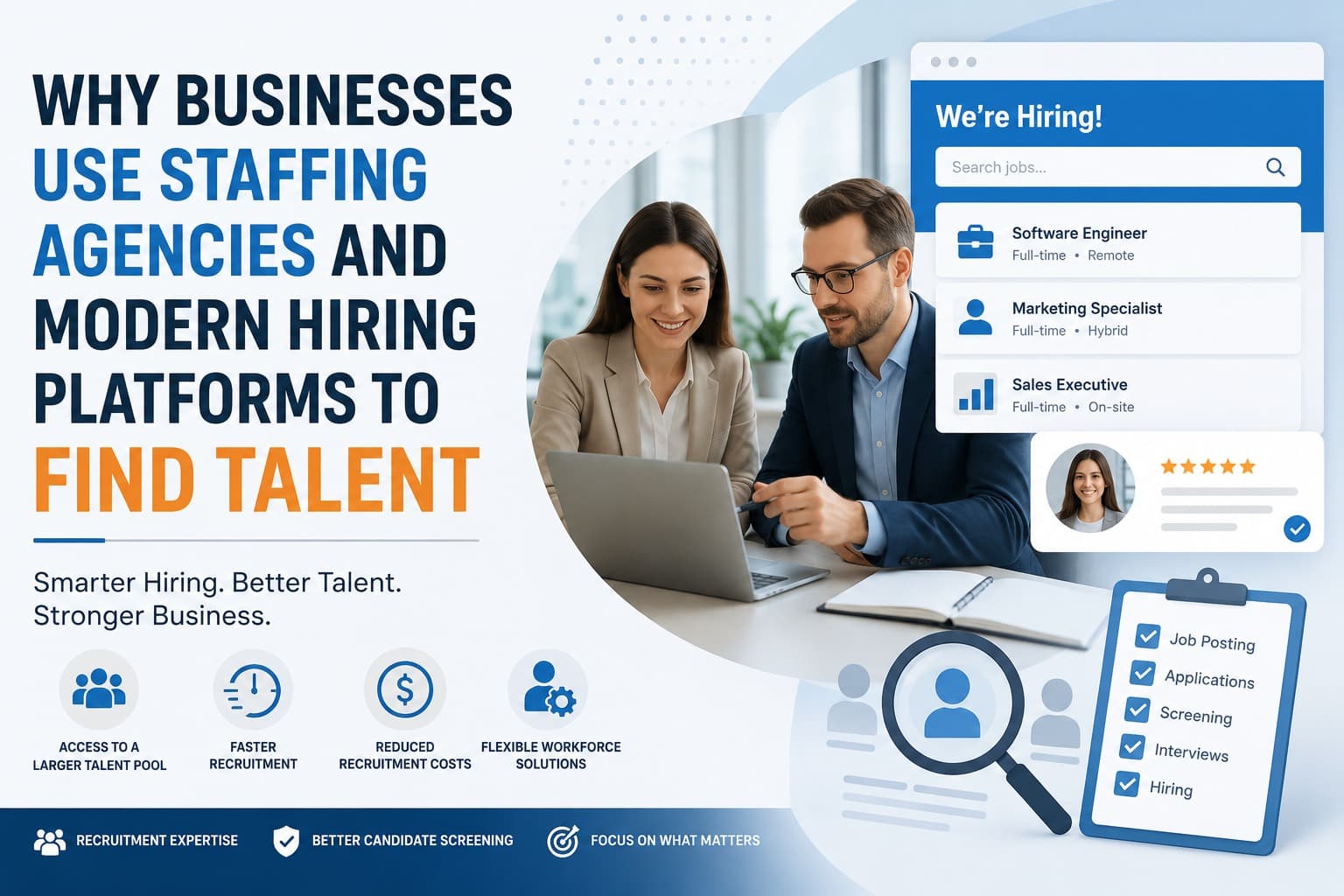
Partnering with an experienced staffing and recruitment agency can help organizations reduce hiring risks. Professional recruiters understand labor market trends, maintain networks of qualified candidates, and conduct screening before presenting candidates to employers.
This allows hiring managers to focus their time on candidates who have already been assessed for:
- Skills and experience
- Availability
- Qualifications
- Job requirements
- Potential organizational fit
For many employers, temporary-to-permanent staffing solutions provide an additional level of confidence. Both the employer and employee have an opportunity to evaluate whether the relationship is the right fit before making a long-term commitment.
The True Cost of a Bad Hire Goes Beyond Money
The cost of a bad hire cannot be measured only in financial terms.
It appears through:
- Lost productivity
- Missed deadlines
- Increased workload for other employees
- Lower employee morale
- Customer dissatisfaction
- Increased turnover
- Additional recruitment costs
As HR professionals, our responsibility extends beyond simply filling vacancies. Our goal is to help organizations build productive, engaged, and resilient teams that contribute to long-term success.
Hiring the right person is not a delay — it is a strategic investment.
The right employee strengthens culture, improves performance, and creates lasting value.
The wrong employee can impact every part of the organization. When companies recognize hiring as one of their most important business decisions — rather than simply an administrative task — they create workplaces where both people and businesses can thrive.
About JobsInGTA 3.0
At JobsInGTA 3.0, we are building a smarter recruitment ecosystem that helps employers connect with qualified candidates more efficiently. Through technology-enabled recruitment solutions, employers can improve candidate matching, streamline hiring processes, and make better talent decisions. Because the goal of recruitment is not simply to fill positions — it is to build successful teams.