Why Businesses Use Staffing Agencies and Modern Hiring Platforms to Find Talent
Finding the right talent has become increasingly challenging for businesses of all sizes. Changing workforce expectations, flexible work arrangements, skills shortages, and increased competition for qualified candidates have made recruitment more complex than simply posting a job and waiting for applications.
Why Businesses Use Staffing Agencies and Modern Hiring Platforms to Find Talent
Finding the right talent has become increasingly challenging for businesses of all sizes. Changing workforce expectations, flexible work arrangements, skills shortages, and increased competition for qualified candidates have made recruitment more complex than simply posting a job and waiting for applications.
Whether you're a startup, a growing business, or an established organization, hiring the right people takes time, resources, and a well-structured recruitment process.
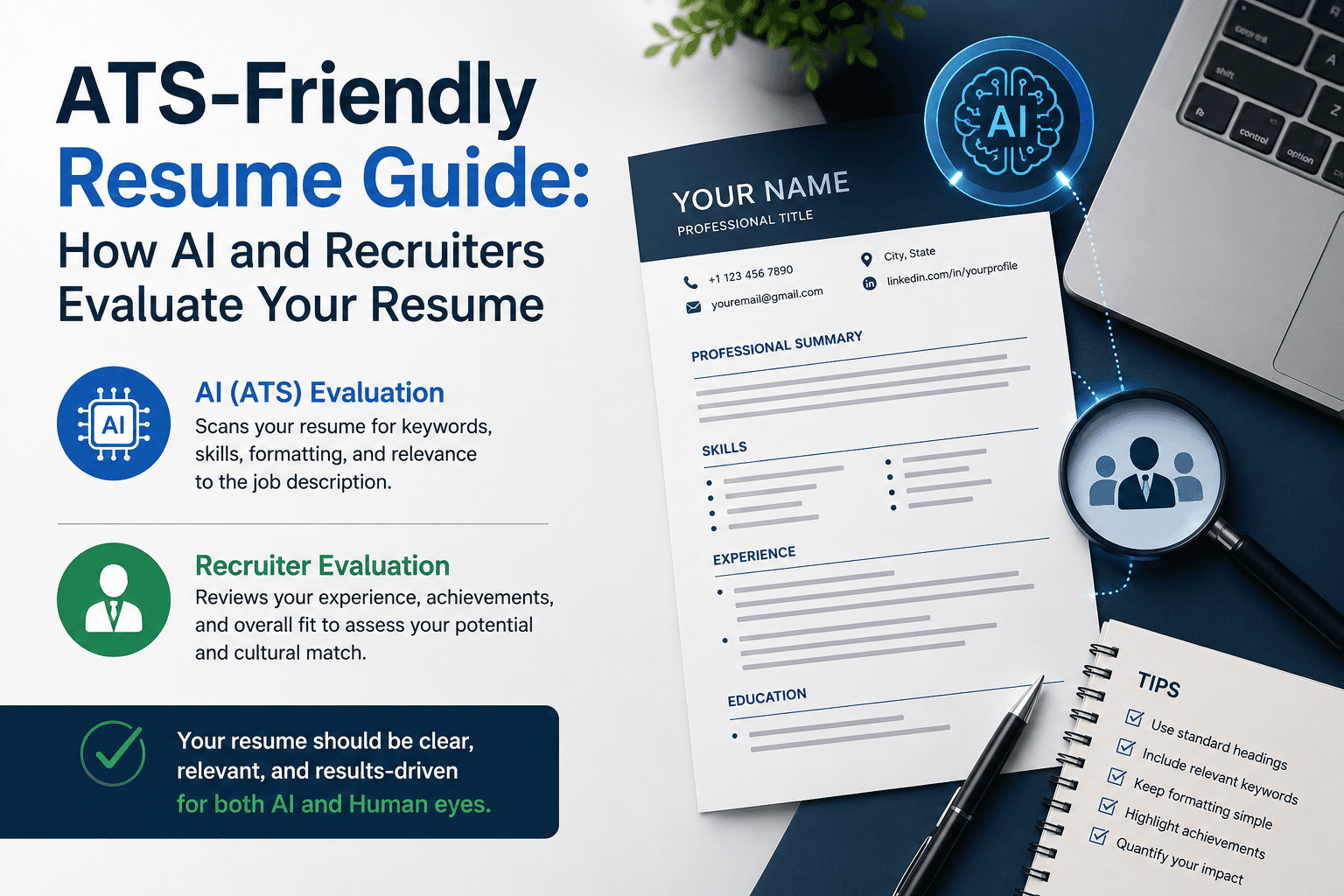
For many businesses, staffing agencies and recruitment firms can provide valuable support. At the same time, modern job portals, applicant tracking systems (ATS), and online hiring platforms are giving employers more ways to manage recruitment directly.
Understanding how these options work can help businesses choose the right hiring approach for their needs.
Access to a Larger Talent Pool
One of the biggest advantages of working with a staffing agency is access to an established network of candidates. Staffing and recruitment agencies often maintain databases of candidates across different industries, skill levels, and job functions.
Instead of starting every recruitment process from scratch, employers can gain access to candidates who may already have been screened or assessed for relevant skills and experience.
However, businesses that prefer to manage recruitment internally can also use online job portals and hiring platforms to reach a broader pool of job seekers. A well-established job portal can help employers advertise vacancies, attract applicants, and build a pipeline of candidates for current and future hiring needs.
Faster Recruitment and Hiring
Every vacant position can affect productivity and place additional pressure on existing employees. For organizations dealing with high-volume hiring, seasonal demand, or urgent staffing requirements, reducing time-to-hire can be particularly important.
Staffing agencies can accelerate recruitment by sourcing, screening, interviewing, and shortlisting candidates before presenting them to the employer.
Digital recruitment platforms can also help businesses speed up the hiring process by bringing job posting, candidate applications, resume management, applicant tracking, and recruitment workflows into one place.
The right approach depends on the organization's internal recruitment capabilities, hiring volume, and the type of position being filled.
Reducing Recruitment Costs
Recruitment involves more than the cost of hiring a candidate. Businesses may also spend money and employee time on job advertising, resume screening, interviews, candidate communication, background checks, onboarding, and administrative work.
A staffing agency can manage many of these activities on behalf of an employer, potentially reducing the internal workload associated with recruitment.
For companies with an internal HR or recruitment team, an applicant tracking system or hiring platform can provide another way to improve efficiency. Automating repetitive recruitment tasks can allow HR professionals and hiring managers to spend more time on candidate engagement, interviews, workforce planning, and strategic priorities.
Flexible Workforce Solutions
Business requirements can change quickly.
A company may need temporary employees during a seasonal peak, contract professionals for a specific project, or permanent employees to support long-term growth.
Staffing agencies often provide flexible workforce solutions, including:
- Temporary staffing
- Contract staffing
- Temporary-to-permanent hiring
- Permanent recruitment
- Seasonal workforce solutions
- High-volume recruitment
This flexibility can be particularly valuable for businesses operating in industries where workforce requirements fluctuate throughout the year.
For employers managing their own recruitment, job portals and recruitment technology can also provide flexibility by allowing them to continuously advertise positions and build candidate pipelines rather than starting the hiring process from the beginning every time a vacancy arises.
Recruitment Expertise and Market Knowledge
Experienced recruiters bring knowledge of hiring trends, candidate expectations, compensation levels, and the skills required for different positions.
This market knowledge can be especially useful when an organization is hiring for specialized, difficult-to-fill, or high-volume positions.
Recruitment professionals can also help employers understand whether their job descriptions, compensation expectations, and hiring processes are competitive enough to attract qualified candidates.
At the same time, employers can use modern hiring platforms to gain greater control over their recruitment process and manage candidate information more efficiently.
Better Candidate Screening
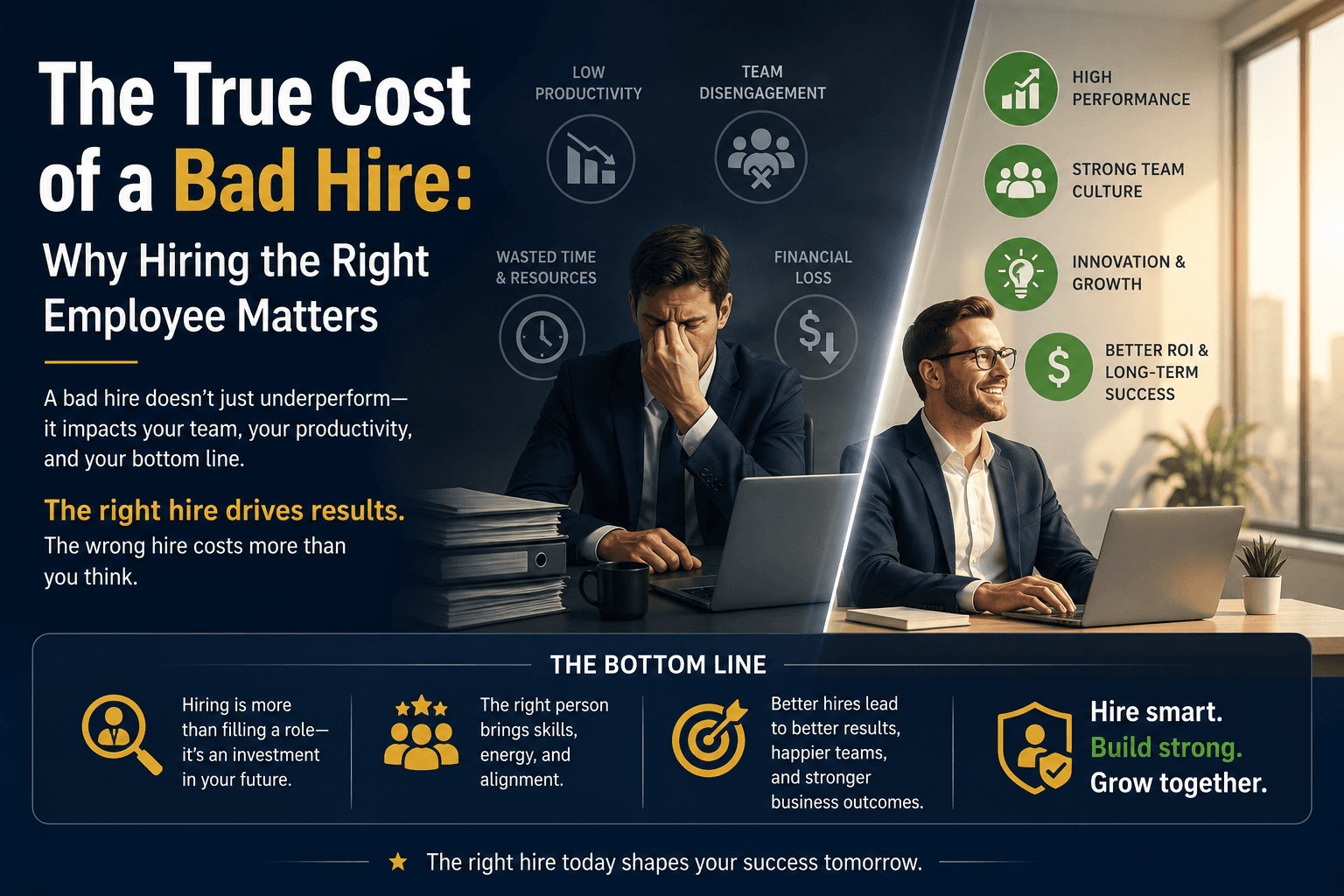
Hiring the wrong person can be costly. Beyond the direct cost of recruitment, a poor hiring decision can affect productivity, employee morale, customer service, and team performance.
Staffing agencies may use interviews, skills assessments, reference checks, background screening, and other evaluation methods to determine whether candidates meet an employer's requirements.
For organizations conducting recruitment internally, an applicant tracking system can help structure the candidate screening process by organizing resumes, applications, interview stages, and candidate communication in one place.
The goal in both cases is the same: to improve the chances of identifying candidates who have the required skills, experience, and potential fit for the role.
Allow Your Team to Focus on the Business
Recruitment can become a significant responsibility for business owners, HR professionals, and hiring managers.
Reviewing hundreds of resumes, responding to applicants, scheduling interviews, conducting assessments, and coordinating hiring decisions can take valuable time away from other business priorities.
Staffing agencies can take much of this work off an organization's internal team.
For businesses that prefer to manage hiring internally, recruitment technology and online job portals can reduce administrative work and make it easier to manage candidates throughout the hiring process.
This allows HR and hiring teams to spend more time on employee development, retention, workforce planning, and other strategic priorities.
Staffing Agencies vs. Job Portals: Which Is Right for Your Business?
There is no single recruitment solution that works for every organization.
A staffing agency may be the right choice when a business needs:
- Urgent hiring support
- Temporary or contract workers
- High-volume recruitment
- Specialized recruiting expertise
- Assistance with candidate screening and selection
- Support managing a large or complex hiring campaign
A job portal or recruitment platform may be more appropriate when an employer wants to:
- Advertise jobs directly to candidates
- Build its own candidate pipeline
- Manage applications internally
- Reduce recruitment administration
- Maintain greater control over the hiring process
- Use technology to organize and streamline recruitment
Some organizations may even use both. A business can work with staffing agencies for specialized or high-volume requirements while using job portals and recruitment technology for direct hiring.
Recruitment Is Becoming More Technology-Driven
The recruitment industry continues to evolve. Traditional recruitment methods are increasingly being supported by digital tools such as job portals, applicant tracking systems, automated candidate communication, recruitment analytics, and workforce management technology.
For employers, this means there are more options than ever before to find, evaluate, and hire talent.
The most effective hiring strategy is ultimately the one that aligns with an organization's workforce requirements, internal capabilities, budget, and hiring goals.
Final Thoughts
Hiring the right people is one of the most important investments a business can make.
Staffing agencies can provide valuable recruitment expertise, access to talent, flexible workforce solutions, and support throughout the hiring process. At the same time, modern job portals and recruitment platforms give employers greater access to candidates and more control over their own hiring processes.
Whether you are hiring one employee or building an entire workforce, understanding the different recruitment options available can help you make better hiring decisions.
The future of recruitment is not necessarily about choosing between people and technology. It is about using the right combination of talent, recruitment expertise, and technology to build a stronger workforce.